
Israel–Iran Tensions and What They Mean for Australian Fuel Prices
Conflict in the Middle East has a direct line to Australian petrol bowsers — and in 2026, that connection is sharper than it has been in years.
Why the Middle East matters to Australia
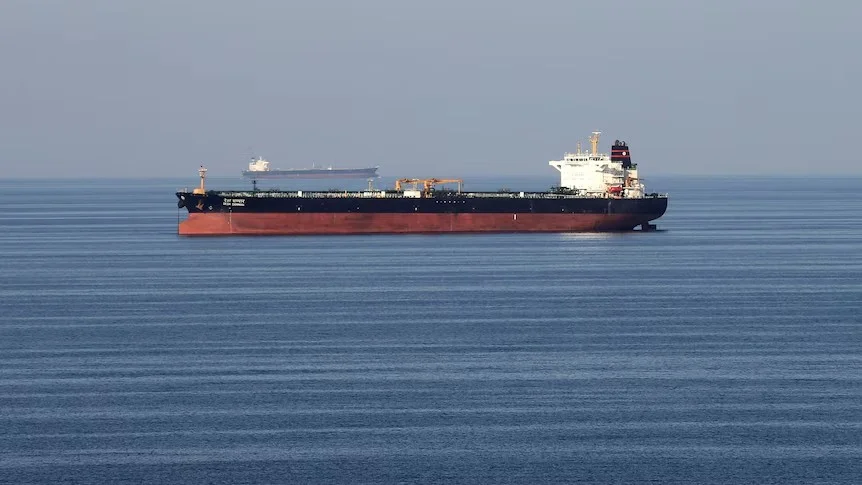
Australia imports the vast majority of its refined fuel. Much of that supply chain runs through Asian refining hubs fed by crude from the Persian Gulf. When tensions escalate between Israel and Iran — or when shipping through the Strait of Hormuz is disrupted — global oil markets react immediately.
Roughly one-fifth of the world's traded oil passes through the Strait of Hormuz. Even the threat of closure adds a risk premium to Brent and WTI crude, which in turn lifts Singapore refined product prices that Australian wholesalers follow.
What drivers saw in 2026
Following escalation in late February 2026, crude oil reached four-year highs above US$125 per barrel at points, with analysts warning of refined product shortages and broader inflation pressure. OPEC+ production fell sharply in March as exports from Saudi Arabia, Iraq, and Kuwait were constrained.
For Australian motorists, the pass-through was visible within weeks. Terminal gate prices rose, and retail petrol — already cycling upward in Melbourne — moved higher across the board.
OPEC's limited buffer
OPEC+ agreed in May 2026 to a modest production increase of 188,000 barrels per day from June — a largely symbolic move while Gulf exports remained disrupted. The departure of the UAE from OPEC on 1 May further complicated the picture, removing one of the group's few members with meaningful spare capacity.
For Australia, the message is clear: OPEC decisions matter, but they cannot instantly offset a blocked shipping lane or a regional war.
Beyond the bowser
Higher oil prices do not stop at petrol. Freight costs rise, grocery prices follow, and inflation expectations can affect interest rates. The Reserve Bank watches energy prices closely because fuel is both a household cost and an input across the economy.
What Australian drivers should watch
- Headlines on Strait of Hormuz shipping and any ceasefire or escalation signals
- Singapore Mogas 95 benchmark movements (the ACCC tracks these weekly)
- Local price cycle position — filling during a trough before geopolitical premiums fully pass through can save meaningful money
Geopolitical risk is the wildcard in Australian fuel pricing. When Israel–Iran tensions flare, assume higher prices until shipping routes stabilise — and plan accordingly.
Related: OPEC and Australian drivers · Petrol price forecast