Why Are Petrol Prices Rising?
If you filled up recently and wondered why petrol costs more than it did last month, you are not alone. Rising pump prices are one of the most searched fuel topics in Australia — and the answer is rarely a single cause.
Global oil sets the floor
Australian petrol prices track international refined fuel benchmarks, especially Singapore Mogas 95. When crude oil rises on global markets, wholesale costs in Australia typically follow within one to two weeks. The ACCC notes that international benchmark prices are the biggest influence on what drivers pay at the bowser.
In 2026, several forces have kept crude elevated:
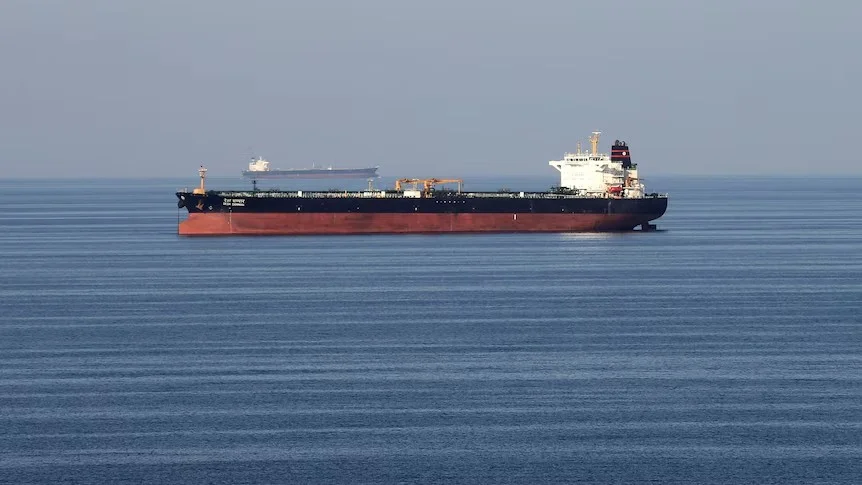
- Geopolitical tension in the Middle East, including disruptions near the Strait of Hormuz
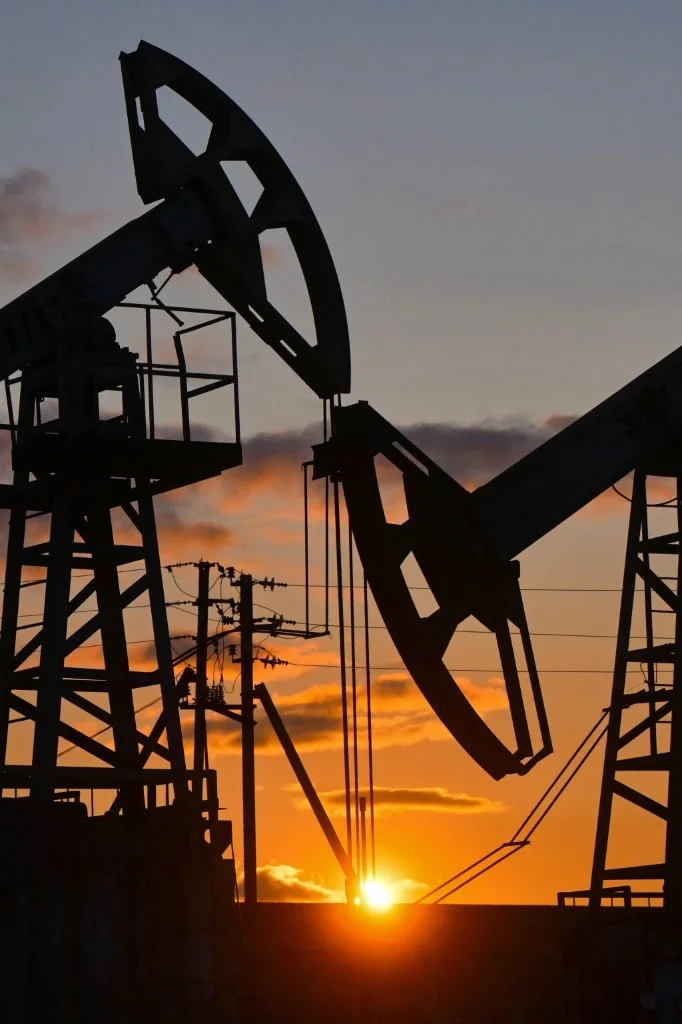
- OPEC+ supply decisions that affect how much oil reaches global markets
- Strong demand from Asia-Pacific refiners competing for the same product Australia imports
A common rule of thumb used by analysts: every US$10 rise in crude oil can add roughly 7–10 cents per litre at Australian pumps, though timing varies by city and retailer.
Australia is a price-taker
Unlike major producers, Australia produces very little refined petrol domestically. Most fuel is imported from Singapore, South Korea, Malaysia, and the Middle East. That means Australian drivers feel global shocks quickly — there is no large local buffer.
The AUD/USD exchange rate adds another layer. Fuel is traded in US dollars. When the Australian dollar weakens, imported fuel costs more even if oil prices stay flat.
For broader context, read why gas prices are going up in Australia.
Melbourne's price cycle amplifies the move
In Sydney, Melbourne, Brisbane, Adelaide, and Perth, petrol does not move smoothly. Retailers run price cycles — prices drift lower over days or weeks, then jump sharply. According to ACCC data, Melbourne cycles averaged around six weeks in 2025.
So when global costs rise during the upward phase of a cycle, the increase can feel sudden and steep. See Melbourne fuel price cycles for timing guidance.
Taxes and policy still matter
Even when oil falls, government charges keep a floor under prices. The federal fuel excise, GST, and state levies account for a significant share of every litre. Policy changes — including temporary excise relief — can move prices independently of OPEC or crude markets.
What you can do
Rising petrol prices are driven mainly by forces outside any one driver's control. What you can control is when and where you buy. Compare stations before filling, time purchases during cycle troughs, and use the live station map and suburb directory to avoid peak pricing.
Related: Why did fuel jump overnight? · Fuel saving tips