
E10 comparison
E10 vs 91 unleaded
Compare E10 and regular unleaded 91, including vehicle compatibility, price differences, fuel economy, and when each option makes sense.
Reviewed by Petrol Prices Near Me Editorial Team · May 2026
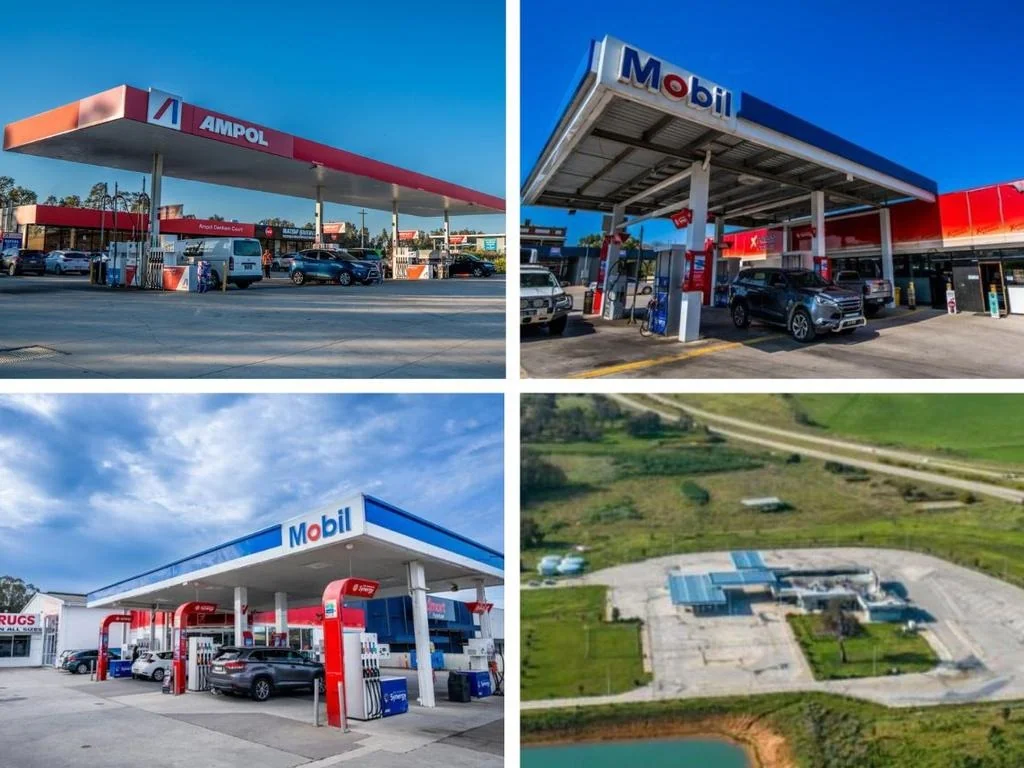
E10 vs Unleaded 91 at the bowser
See how ethanol-blend E10 and standard 91 octane are priced side by side before choosing a grade.
The basic difference
E10 is petrol blended with up to 10 percent ethanol. ULP 91 is regular unleaded petrol without that ethanol blend. E10 is often priced below ULP 91, but fuel economy can differ.
Before using E10, confirm your vehicle is compatible. Many modern petrol cars are, but some older vehicles, motorcycles, boats, and small engines may not be suitable.
Which is cheaper to run
E10 can be cheaper at the bowser, but the real saving depends on the price gap and your vehicle economy. If E10 uses slightly more fuel, it needs a big enough discount to remain cheaper per kilometre.
Compare the local E10 and ULP 91 prices on the day you fill, because the spread changes by station and suburb.
When to choose each fuel
Choose E10 when your vehicle is compatible and the discount is strong enough to offset any economy difference. Choose ULP 91 when compatibility is uncertain or the E10 discount is too small.
If your vehicle requires premium fuel, neither E10 nor ULP 91 may be appropriate.
E10 in Victoria today
Victorian servos that sell E10 must label pumps clearly. Availability varies — some brands list E10 on every forecourt, others only at selected sites.
Use suburb E10 pages and the live directory to compare E10 against ULP 91 in your area on the same day. A 2–3c/L E10 discount may not cover a small economy loss on some vehicles.
Practical comparison routine
Before switching to E10, note your current cents-per-kilometre on ULP 91 over a tank. After one E10 fill, compare distance travelled — if economy drops more than the price discount, ULP 91 may still be cheaper to run.
Fleet and rideshare drivers filling daily should compare both grades weekly because Melbourne cycle resets can widen or narrow the E10 gap quickly.
Quick answers
Is E10 the same as 91?
No. E10 is an ethanol blend, while ULP 91 is regular unleaded. They can be alternatives only for vehicles compatible with E10.
Will E10 damage my car?
E10 should only be used in compatible vehicles. Check your manual, fuel flap, or manufacturer guidance if unsure.
How much cheaper is E10 than ULP 91 in Melbourne?
The gap changes by station, suburb, and cycle phase — often 2–6c/L when E10 is discounted, but not always. Compare live suburb listings on the day you fill.
Does E10 reduce fuel economy?
Some vehicles use slightly more litres per 100 km on E10. The bowser discount must outweigh any economy loss for E10 to be cheaper per kilometre.
Can motorcycles use E10?
Many manufacturers restrict ethanol blends for motorcycles. Check the owner manual and fuel tank label before using E10.
Is E10 better for the environment?
E10 can lower some tailpipe emissions because of ethanol content, but the best environmental and cost outcome for you still depends on vehicle compatibility and total cents per kilometre.
Where can I find E10 prices near me?
Browse suburb E10 fuel pages in our directory or open the live fuel map and compare stations that publish E10 alongside ULP 91.
Should I use E10 in a premium-only car?
No. If your vehicle requires premium 95 or 98, E10 and ULP 91 are not substitutes unless the manufacturer explicitly allows them.
Does the Melbourne fuel cycle affect E10 pricing?
Yes. E10 usually moves with the broader petrol cycle. Compare E10 and ULP 91 on low-cycle days rather than only when the tank is empty.
Can I mix E10 and ULP 91 in the tank?
Mixing is generally possible in compatible petrol vehicles, but consistently using the grade your handbook recommends is the safest approach.